JOHNAIC: Year One
Author: Sasank Chilamkurthy
It has been a year since I started building computers, and the journey has been nothing like I expected. I went in thinking about hardware, ended up obsessed with compilers, then power infrastructure, then cloud economics, and finally edge computing. Here is what the year looked like.
Building Computers
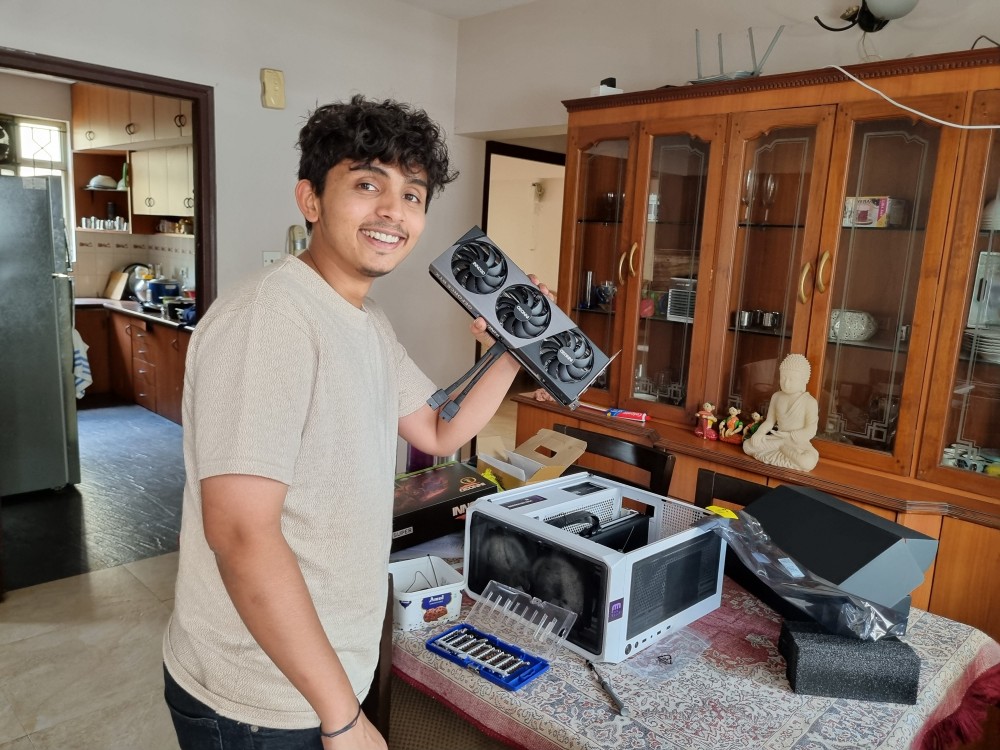
My fascination with computers deepened after reading biographies of Turing, Licklider, Von Neumann, and Steve Jobs. I started studying historical machines: ENIAC, JOHNNIAC, Lisp Machines, IBM System/360, Intel 4004, Apple II. History gave me perspective. Computers are not abstract services. They are physical machines built to automate work.
That led me to manufacturing. I visited electronics factories in Noida and Tirupati. I studied supply chain systems from Ford and Toyota. I realized that manufacturing is far more accessible than people assume, and that it scales beautifully once you get the fundamentals right. Building computers became a mission.
The Compiler Problem
Modern AI is constrained by compute, and compute is constrained by compilers. Nvidia's CUDA stack has become a bottleneck. Most AI code today runs only on Nvidia GPUs because the compiler ecosystem is locked to CUDA.
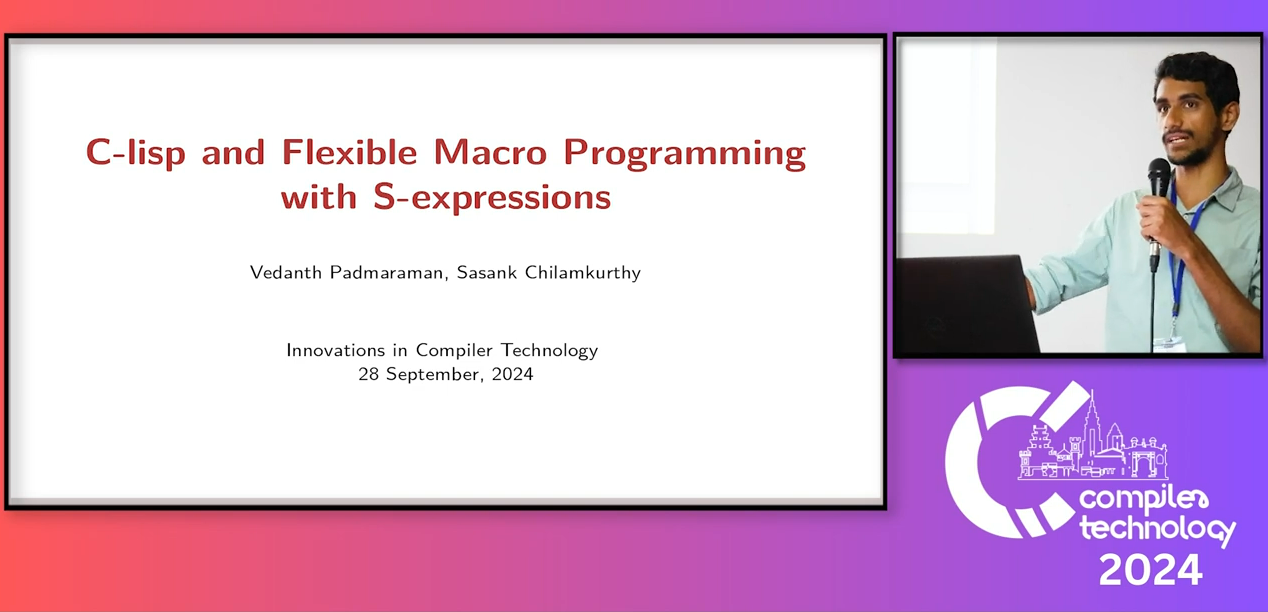
We spent a significant part of the year exploring alternatives. We looked at SYCL, benchmarked portable BLAS libraries, and dug into LLVM. Eventually we concluded that LLVM is not enough for what we need, so we started building our own compiler framework called C-lisp and presented it at a compiler conference.
Cloud Tax
The deeper we went, the clearer it became that the real drag on compute scaling is not Nvidia but cloud pricing. Cloud providers charge a heavy premium for rented compute, and egress fees make it expensive to leave. We researched data centers, wrote a policy note on micro data centers, and even looked at real estate in Bangalore.
Customers showed us a better path. They already had real estate in the form of offices and homes. What they needed was a reliable computer that could live on their premises. So we shifted focus to edge computing: low-power systems with UPS backup, fiber and 5G connectivity, and the ability to run production workloads without relying on the cloud.
Getting to the Edge
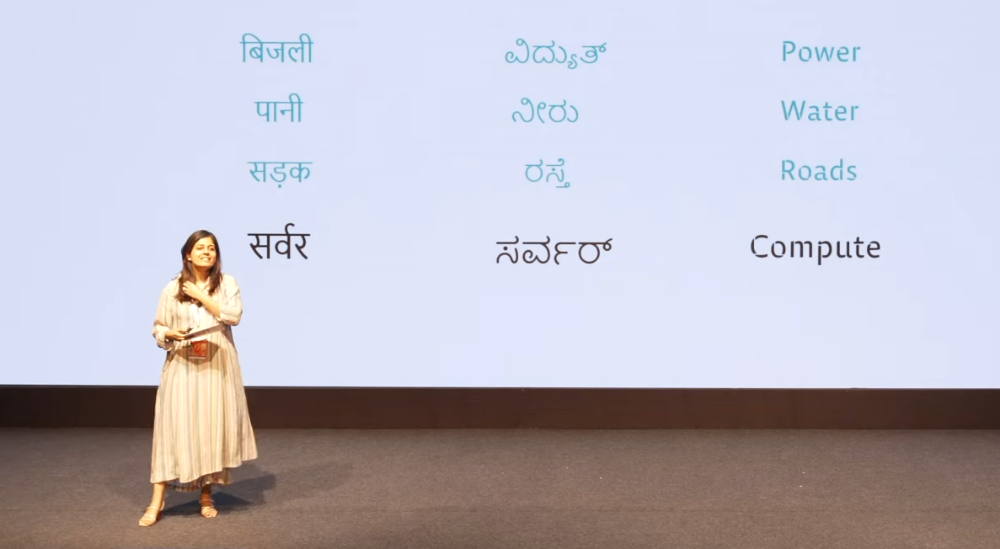
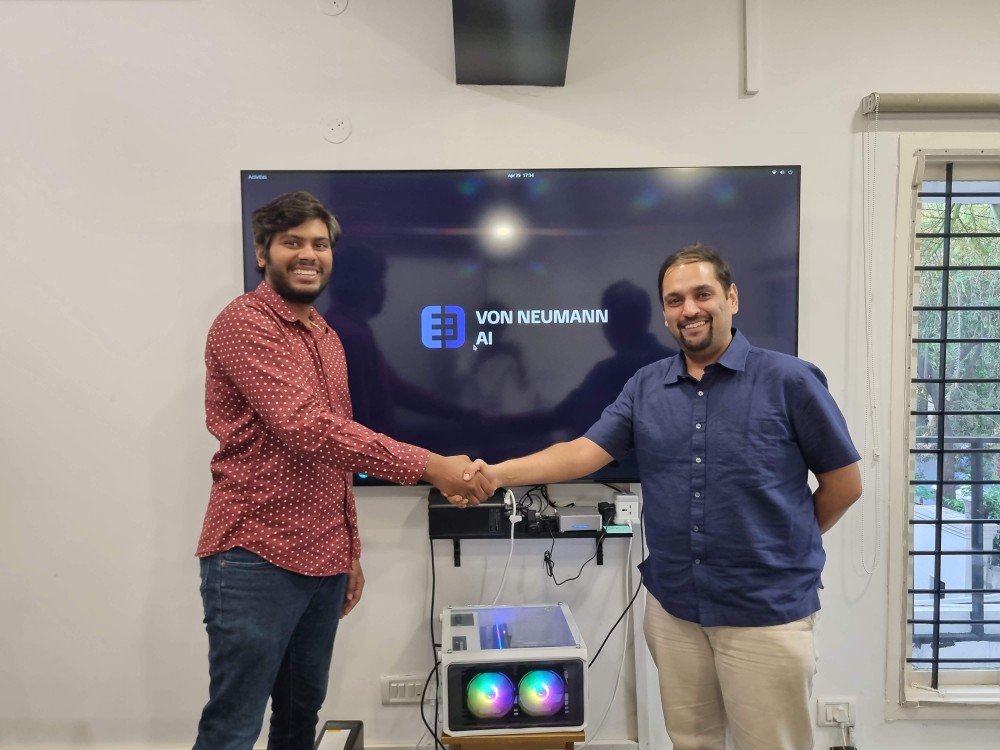
We launched JOHNAIC at People+AI's Adbhut India event and started working closely with their teams. We deployed applications directly in customer offices, built uptime tracking and status pages, and refined our operating system based on real feedback.
One customer told us that the time to deployment was tiny compared to cloud providers, which were suited more to overengineered enterprise devops organizations than to fast-moving teams.
Looking Ahead
The year taught me that the best product decisions come from customers. They took us from computers to GPUs to compilers to cloud to the edge. I believe we have found real product-market fit in edge computing. Next year is about refining, validating, and scaling that fit.
Published on 30/12/24